
Three minutes or eighteen months: how long states let plate readers keep your plate
Cameras that read license plates sit on poles and patrol cars. A handful of states put a clock on what happens to the reads. The clocks are wildly different.
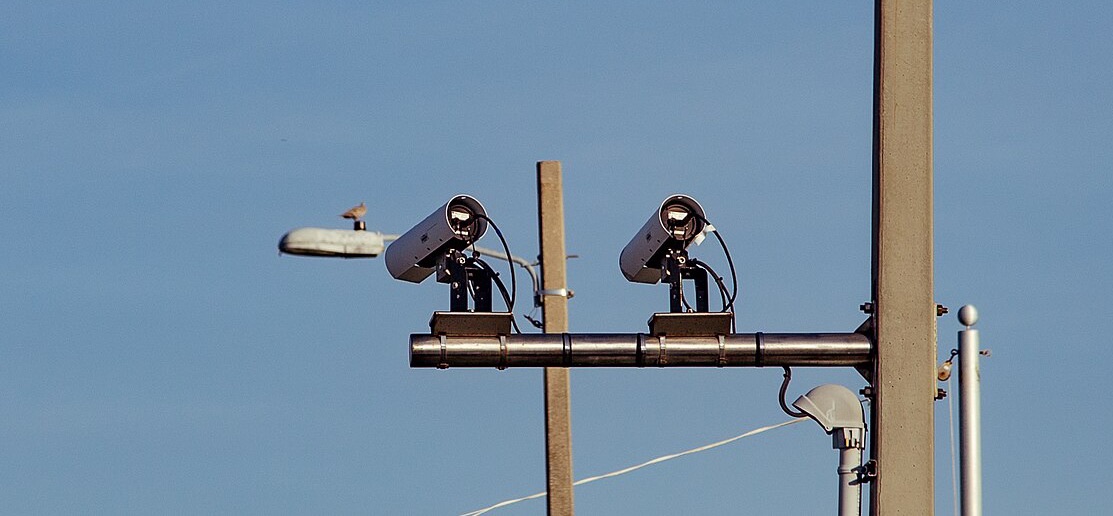
An automated license plate reader is a camera with a job: read every plate that passes, note the time and place, and check it against a list. Police mount them on poles and patrol cars. The reads pile up fast.
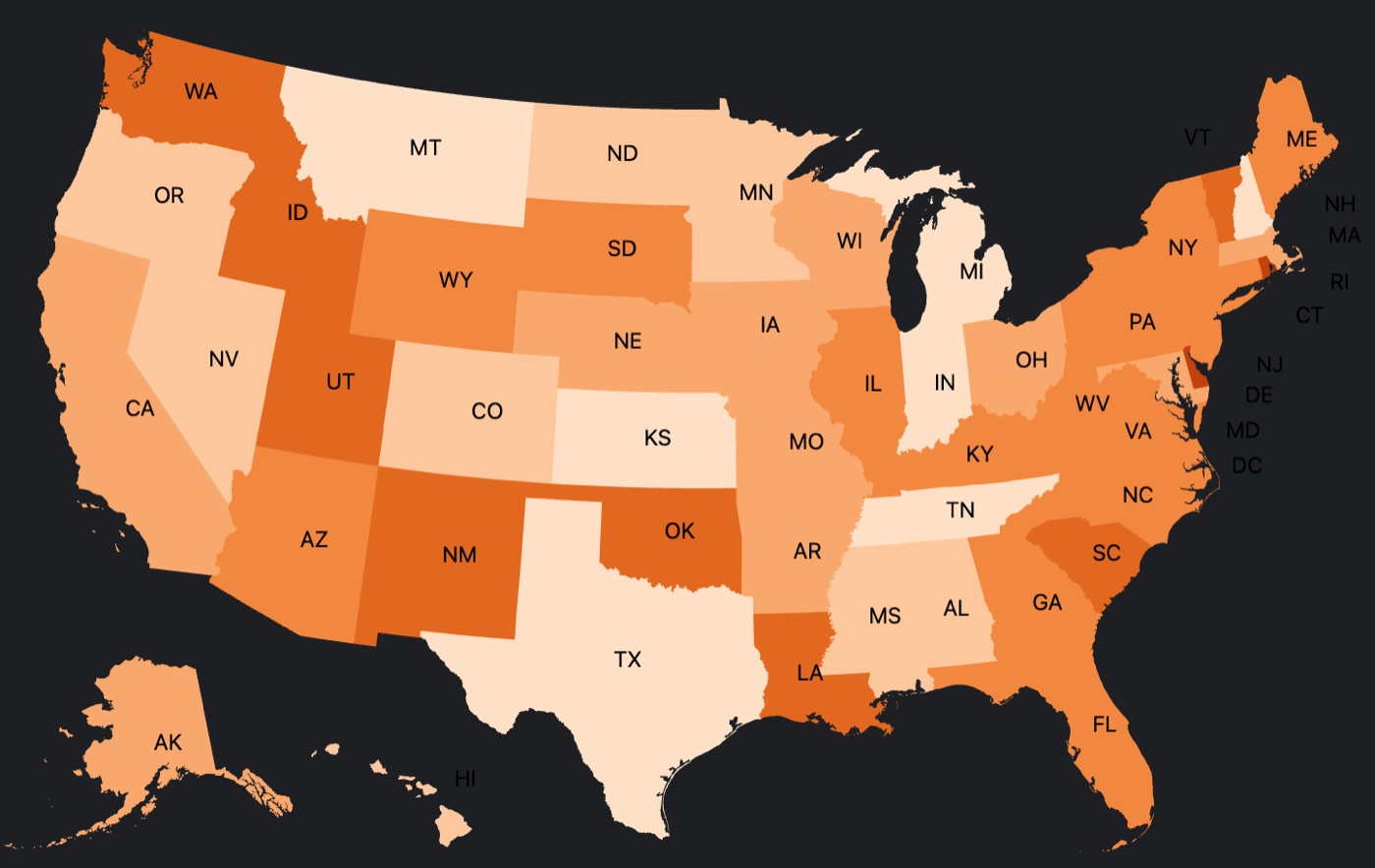
What happens to all those reads depends on where you drive. We read the laws in nine states that set rules for it. Here's what they say, from the shortest clock to the longest.
The short end: New Hampshire, 3 minutes
New Hampshire's law is the strictest we found. Plate reads "shall be purged from the system within 3 minutes of their capture in such a manner that they are destroyed and are not recoverable." The exceptions are reads tied to an arrest, a citation, protective custody, or a missing or wanted person. Whatever is kept "shall not be used or shared for any other purpose."
The middle
- Maine: 21 days. The data "may not be stored for more than 21 days."
- Virginia: 21 days. Data "shall be purged after 21 days of the date of its capture." That rule is new: the law's source note reads "2025, c. 720."
- Minnesota: 60 days for reads not tied to an active criminal investigation.
- Nebraska: 180 days, unless the data falls under one of the law's exceptions.
- Utah: 9 months for a government agency, with exceptions such as a warrant.
The long end: Vermont, 18 months
Vermont allows the longest stretch of the states we read: plate data "shall only be retained for 18 months after the date it was obtained."
No number at all
California and Maryland regulate plate readers without setting one clock for everyone. California makes each operator write a policy that states "the length of time ALPR information will be retained." Maryland's law, as published, gives no fixed number either.
Who else gets to see it
The time limit is half the story. The other half is sharing.
- Virginia is the bluntest. Police "shall not share system data or audit trail data with, or disseminate such data to, any database of any other state, federal, private, or commercial entity."
- California says a public agency "shall not sell, share, or transfer ALPR information, except to another public agency." The law defines a public agency as California's state and local bodies, so in practice that keeps the data inside California government.
- Maryland says the data may not be uploaded to another law enforcement agency or entity "regardless of whether the agency or entity is located inside or outside the State." The same section makes an exception for the state's own analysis center.
- Vermont goes the other way. Its analysts may send historical data to "a Vermont or out-of-state law enforcement officer" with "a legitimate law enforcement purpose."
We'll keep this list updated as states change their laws, and Virginia's 2025 rule shows they do.